
Why Fire Hydrant System Installation is Critical for Commercial and Industrial Buildings
October 24, 2025
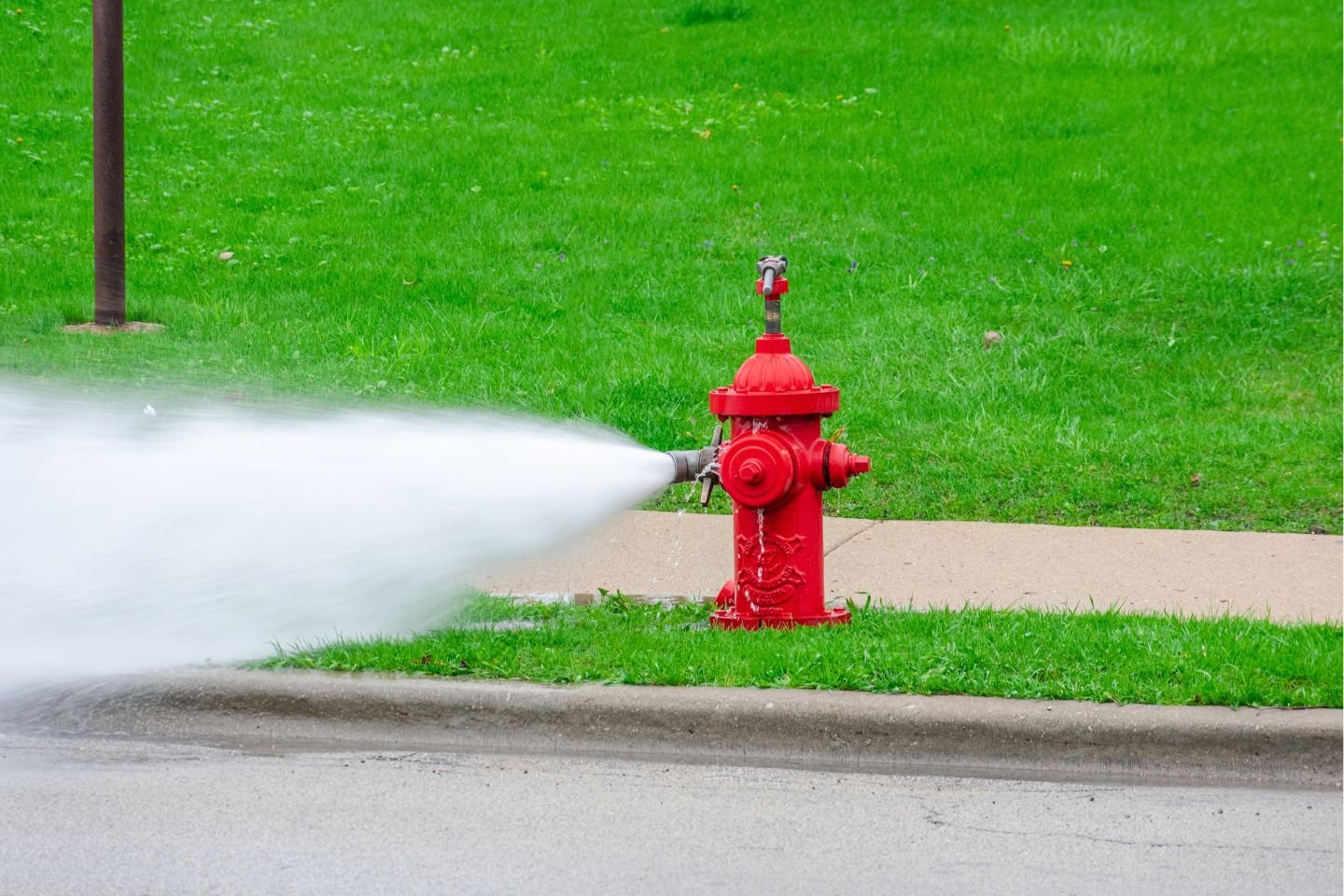
In every thriving city, the growth of commercial towers, industrial plants, and high-rise complexes brings both opportunity and risk. Among the greatest threats to safety is fire—sudden, destructive, and often preventable with the right preparation. One of the most effective measures a facility can take is a professional fire hydrant system installation, a network designed to supply high-pressure water quickly and reliably during an emergency. Far more than a legal formality, this system is the backbone of a building’s fire-fighting readiness and a silent guardian for everyone inside.
A fire hydrant system installation involves a carefully engineered combination of tanks, pumps, pipes, valves, and outlets that ensure water reaches any corner of the property within seconds. When a blaze erupts, every second counts, and a dependable hydrant system guarantees that firefighters or trained personnel can connect their fire hoses and begin suppression immediately. Each component—from the fire hose reel mounted on a wall to the hose valve controlling water pressure—must function flawlessly under extreme conditions. A single error in planning or installation can render the system ineffective when lives depend on it most.
For large manufacturing units, office complexes, and shopping centers, a robust fire hydrant system installation is not merely an investment in compliance; it is an investment in continuity. Fires can halt production, destroy inventory, and permanently damage reputation. By ensuring that hydrants are correctly positioned and water flow is maintained at optimal pressure, businesses protect their employees, property, and data. Engineers designing these systems must evaluate factors such as floor area, building height, occupancy, and potential hazards. Each outlet, fire hose, and hose valve is positioned to provide complete coverage while minimizing response time.
The process of installing a hydrant network begins with a detailed site analysis. Experts study the architecture, available water sources, and emergency access points. The system’s backbone—a series of underground and vertical pipes—connects to a dedicated water tank and an automatic pump set. During a fire, the pump activates instantly to provide consistent pressure through every fire hose reel. Quality materials and precision fitting are essential because even a small leak or misaligned valve can compromise performance. Once installation is complete, the system undergoes rigorous pressure tests and flow trials before it is certified ready for operation.
However, installation is only half the battle. Regular maintenance is the lifeline of any fire hydrant system installation. Over time, corrosion, sediment buildup, or mechanical wear can reduce efficiency. A monthly inspection schedule—checking pump performance, hose valves, and fire hoses for integrity—keeps the system in peak condition. Annual testing by accredited professionals ensures compliance with the National Building Code of India and local fire-department regulations. Ignoring maintenance not only endangers occupants but can also void insurance coverage in the event of an incident.
Beyond functionality, there is also the human factor. A well-installed hydrant system gives occupants and safety officers confidence. During drills or real emergencies, knowing that reliable fire safety solutions are in place reduces panic and enables coordinated evacuation. In industrial facilities where flammable materials are present, the ability to respond instantly with water at the right pressure can prevent a small spark from becoming a disaster.
The advantages extend beyond safety. A certified fire hydrant system installation often leads to lower insurance premiums and smoother approval from building authorities. It demonstrates corporate responsibility and care for employees and customers. For property developers, highlighting advanced fire protection features also adds tangible value when marketing commercial spaces. In today’s competitive environment, demonstrating compliance with global safety standards builds credibility and trust.
Ultimately, the true worth of a hydrant system is measured not in cost but in reliability. When flames threaten, there is no time to question whether the fire hoses will deliver water or if the hose valves will open smoothly—the system must perform instantly. Choosing experienced professionals for design and installation eliminates these doubts. They ensure that every fire hose reel, coupling, and pipe connection meets international specifications, making your fire-fighting infrastructure dependable and durable.
Fires may be unpredictable, but preparedness is not. A well-planned, professionally executed fire hydrant system installation transforms a building from vulnerable to resilient. It stands ready, silent yet powerful, promising that when danger strikes, help is already in place. Investing in such a system is not simply about meeting codes; it is about safeguarding people, property, and productivity—the pillars upon which every successful enterprise stands.