
Choosing the Right Water Spray Nozzle for Fire Safety
August 11, 2025
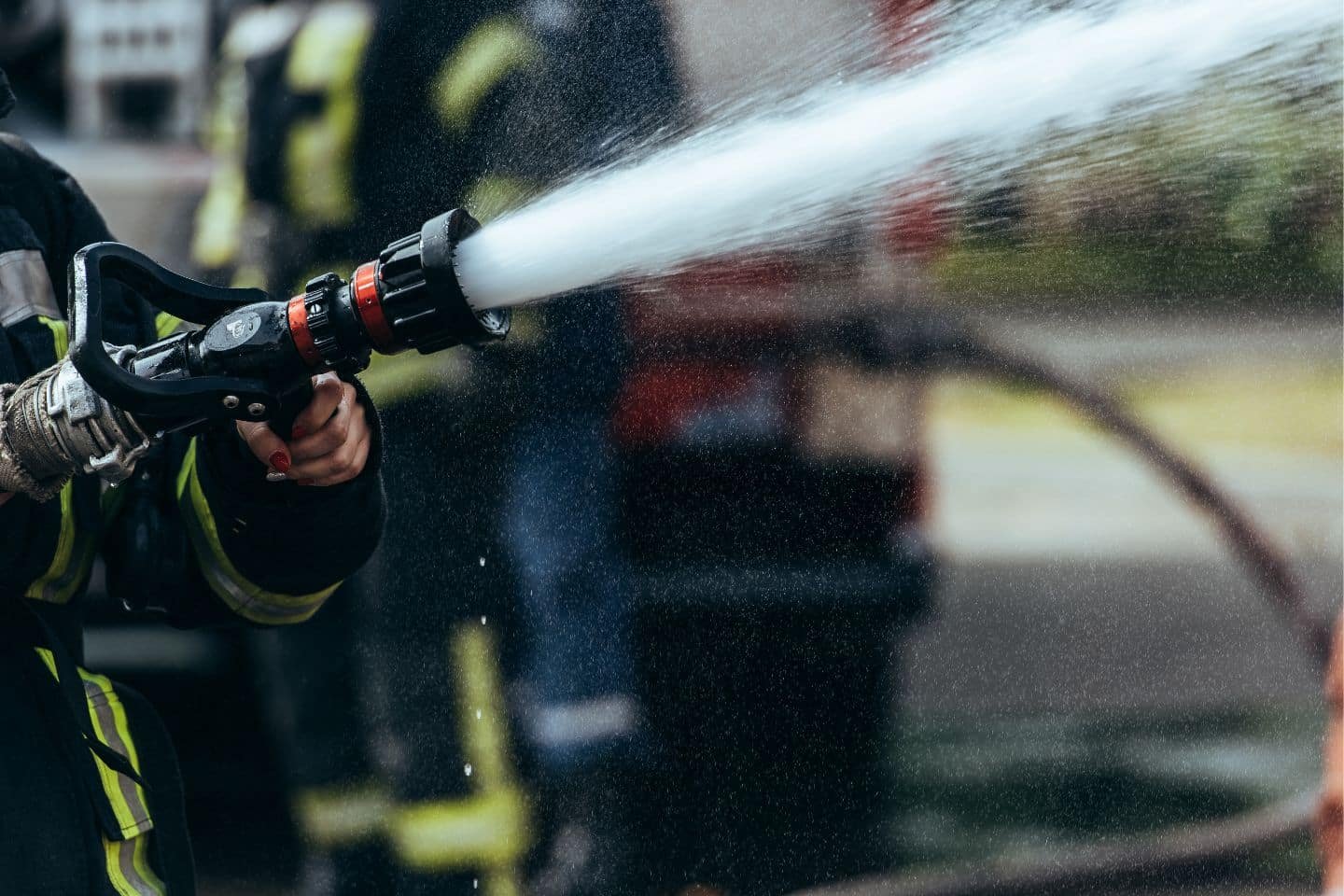
In fire protection systems, every component plays a vital role in ensuring quick and effective suppression. Among these, the fire water spray nozzle is a critical element that determines how water is distributed over the hazard area. Selecting the right nozzle not only maximizes firefighting efficiency but also minimizes water waste and potential damage to equipment.
The Function of a Fire Water Spray Nozzle
A fire water spray nozzle is engineered to deliver water in a specific spray pattern, droplet size, and velocity. This ensures that fires are attacked directly at their source, cooling surfaces, reducing heat, and preventing the fire from spreading. Whether part of a deluge system, a foam-water system, or a dedicated spray system, the nozzle’s design is integral to system performance.
Key Considerations in Selection
1. Type of Hazard
Different hazards require different spray patterns. For example, an oil storage tank fire may need a wide spray for surface cooling, while machinery protection might require a focused, high-velocity stream.
2. Operating Pressure
Each fire water spray nozzle is rated for specific pressure ranges. Choosing a nozzle that matches your system’s pressure ensures optimal droplet formation and coverage.
3. Coverage Area
Nozzles are designed to cover certain dimensions effectively. The wrong choice can leave critical areas unprotected or waste water on non-essential zones.
4. Material Durability
Nozzles must withstand harsh environments, including high heat, corrosion, and chemical exposure. Materials like stainless steel or brass are common for their durability.
Types of Fire Water Spray Nozzles
- Full Cone Nozzles – Deliver a solid, uniform spray for complete coverage.
- Hollow Cone Nozzles – Produce a ring-shaped spray pattern ideal for cooling large surfaces.
- Flat Fan Nozzles – Provide a thin, wide spray for targeted surface coverage.
- Adjustable Nozzles – Allow manual adjustment of spray patterns for versatile applications.
Balancing Efficiency and Safety
The right fire water spray nozzle ensures water is used efficiently without compromising fire suppression effectiveness. Over-application can lead to water damage, while under-application can allow the fire to escalate.
Integration with Fire Protection Systems
Nozzles must be compatible with the larger fire suppression system, including pumps, pipes, and valves. Proper engineering ensures the spray pattern aligns with system flow rates and hazard positioning.
Importance of Professional Assessment
Choosing the correct fire water spray nozzle is not a guesswork exercise. Fire protection engineers assess the type of hazard, environmental conditions, and system design before recommending a nozzle. This ensures compliance with NFPA or local standards and guarantees performance when it matters most.
Long-Term Performance
Regular inspection and maintenance are essential. Mineral buildup, corrosion, or accidental damage can compromise nozzle performance over time. Periodic testing ensures the nozzle continues to operate at peak efficiency.
The fire water spray nozzle may be a small component, but it plays a massive role in the effectiveness of your fire protection system. By carefully considering hazard type, system specifications, and environmental conditions, you can select a nozzle that delivers reliable, targeted protection for years to come.