
In-Panel Fire Suppression: Protecting Critical Electrical Panels from Fire
August 7, 2025
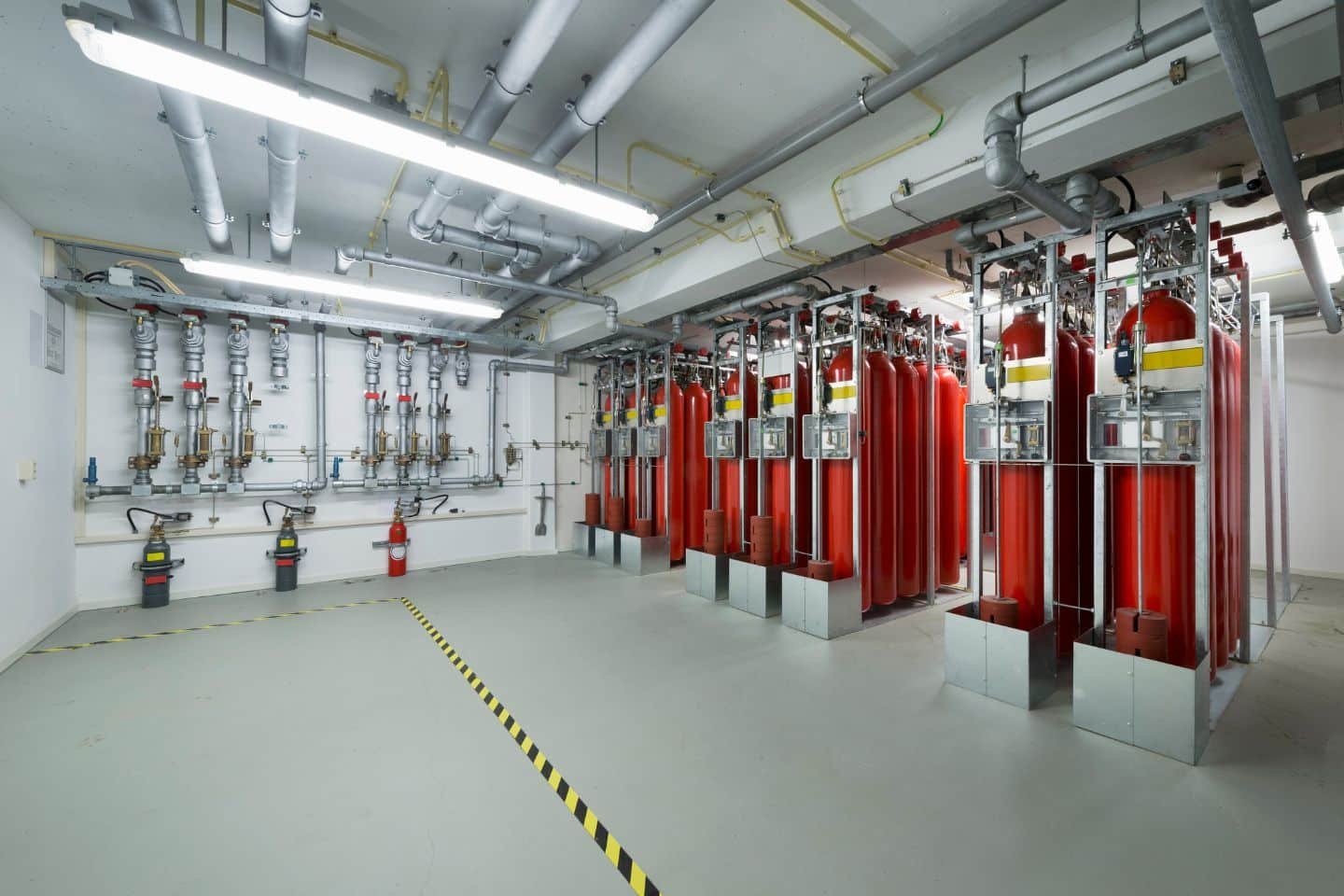
In modern facilities, electrical control panels are the backbone of operations. They power production lines, control HVAC systems, manage lighting, and ensure critical systems run smoothly. However, these panels are also vulnerable to one of the most devastating threats—fire. Implementing in-panel fire suppression is not just a precaution; it is a strategic safeguard for business continuity, safety, and compliance.
Understanding the Risk
Electrical panels house numerous components—wiring, circuit breakers, relays—that can overheat or short-circuit. Even a minor electrical fault can ignite insulation, dust, or other flammable materials within the enclosure. Without rapid intervention, a panel fire can spread to surrounding systems, leading to costly repairs, downtime, and potential injury.
What Is In-Panel Fire Suppression?
In-panel fire suppression is a specialized fire protection system designed to detect and extinguish fires directly within electrical enclosures. Unlike building-wide systems, it targets the source of the problem immediately, often before visible flames develop. This localized approach ensures minimal disruption to unaffected systems and prevents the fire from spreading beyond the panel.
Early Detection, Immediate Action
Most in-panel fire suppression systems use advanced detection methods such as heat-sensitive tubing, smoke sensors, or thermal detectors placed inside the enclosure. When a rise in temperature or smoke is detected, the system automatically releases a clean agent or other extinguishing medium directly onto the fire source. This rapid response can stop an electrical fire in seconds.
Clean Agents for Sensitive Equipment
Because water can cause irreparable damage to electrical components, in-panel fire suppression systems often use clean agents such as FM-200 or Novec 1230. These agents suppress the fire without leaving residue, meaning critical systems can often be brought back online quickly after an incident.
Compliance and Safety Standards
Many industries—from manufacturing and data centers to energy facilities—must comply with strict fire safety regulations. In-panel fire suppression systems help meet standards set by organizations such as NFPA and IEC, reducing liability and ensuring adherence to insurance and legal requirements.
Benefits Beyond Fire Protection
- Business Continuity – Minimizes downtime by preventing the destruction of essential control equipment.
- Reduced Repair Costs – Limits damage to only the affected panel instead of the entire electrical network.
- Operational Safety – Protects employees from electrical hazards and fire-related injuries.
- Reputation Protection – Avoids publicized incidents that can damage customer trust.
Customizing Your Protection
No two facilities have the same risk profile. In-panel fire suppression systems can be tailored to the type, size, and configuration of your electrical enclosures. Professional installers will assess panel contents, operating environment, and hazard potential to design a solution that provides optimal protection.
A Proactive Investment
Compared to the staggering costs of equipment loss, operational downtime, and potential safety violations, the expense of installing in-panel fire suppression is minimal. It represents a proactive approach to asset protection that pays for itself the moment it prevents a fire-related shutdown.
Electrical panels are vital, yet vulnerable, assets. By implementing in-panel fire suppression, you take a critical step toward ensuring that these systems—and your business—remain protected against one of the most damaging threats they face. In fire protection, speed and precision make the difference, and this solution delivers both.