
Why Regular Fire Extinguisher Maintenance is Critical for Safety
August 1, 2025
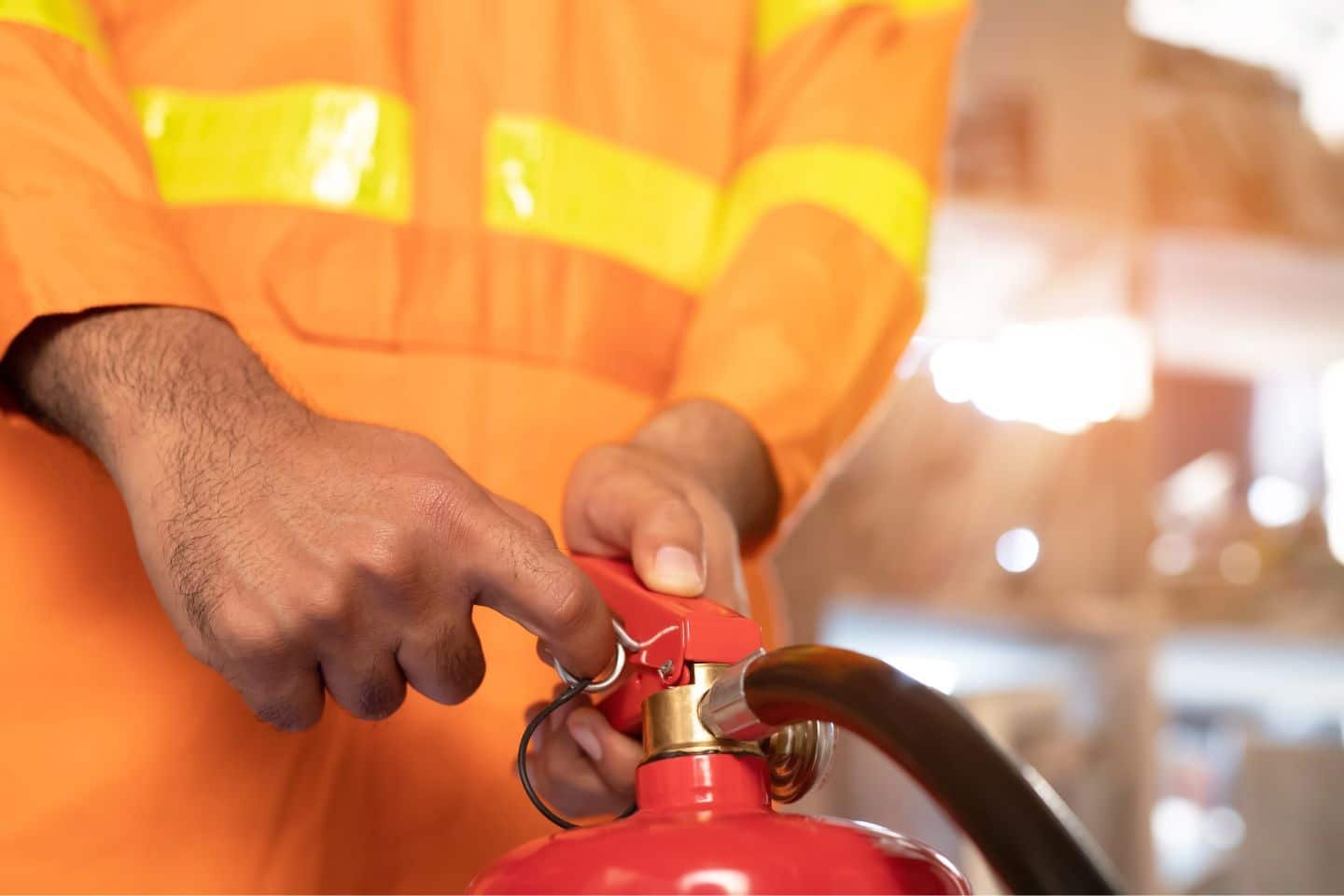
In any environment—whether a commercial building, industrial facility, or public institution—fire extinguishers are a first line of defense against small but potentially devastating fires. Yet, simply having extinguishers in place is not enough. Without regular fire extinguisher maintenance, these crucial devices may fail when they are needed most, compromising safety and compliance.
Why Maintenance Matters
A fire extinguisher is only effective if it operates as intended during an emergency. Over time, extinguishers can lose pressure, sustain damage, or experience blockages in their discharge mechanisms. Corrosion, leakage, or even expired extinguishing agents can all render the device useless. Regular fire extinguisher maintenance ensures that every unit is fully charged, accessible, and compliant with safety standards.
Legal and Regulatory Compliance
Most regions have strict fire safety regulations that require routine inspections and servicing of fire extinguishers. Neglecting fire extinguisher maintenance can result in fines, failed safety audits, and increased liability in the event of a fire. A documented maintenance schedule not only meets legal requirements but also demonstrates a proactive commitment to workplace safety.
Reducing the Risk of Equipment Failure
The moments following the discovery of a fire are critical. An extinguisher that malfunctions—due to a missing safety pin, a broken handle, or insufficient pressure—can turn a containable incident into a catastrophe. Regular checks identify and resolve these issues before they become life-threatening.
Protecting Lives and Property
Beyond compliance and functionality, fire extinguisher maintenance is fundamentally about safeguarding people and property. Fires can escalate within seconds, and a reliable extinguisher can prevent a small flame from consuming an entire building. This not only protects occupants but can save thousands, if not millions, in property damage and business interruption costs.
Key Elements of a Maintenance Program
- Monthly Visual Inspections – Checking for visible damage, proper labeling, and unobstructed access.
- Annual Professional Servicing – Verifying pressure levels, replacing parts if necessary, and ensuring adherence to manufacturer guidelines.
- Hydrostatic Testing – Required every few years to ensure the cylinder’s integrity under pressure.
- Record Keeping – Maintaining detailed logs of inspections and servicing for compliance purposes.
The Role of Professional Technicians
While basic visual inspections can be performed in-house, comprehensive fire extinguisher maintenance should be handled by certified technicians. These professionals have the expertise to detect less obvious faults, replace faulty components, and ensure compliance with industry standards such as NFPA 10.
A Small Investment for Major Peace of Mind
Compared to the potential losses from an uncontrolled fire, the cost of regular fire extinguisher maintenance is minimal. It is an investment in safety, regulatory compliance, and operational continuity.
Fires are unpredictable, but your preparedness should never be. By committing to routine fire extinguisher maintenance, you are protecting not just your assets but, more importantly, the lives of those who depend on you. The best time to ensure your fire extinguishers are ready is before you ever need them.