
Understanding Fire Detection Systems: The First Line of Defense in Any Emergency
October 16, 2025
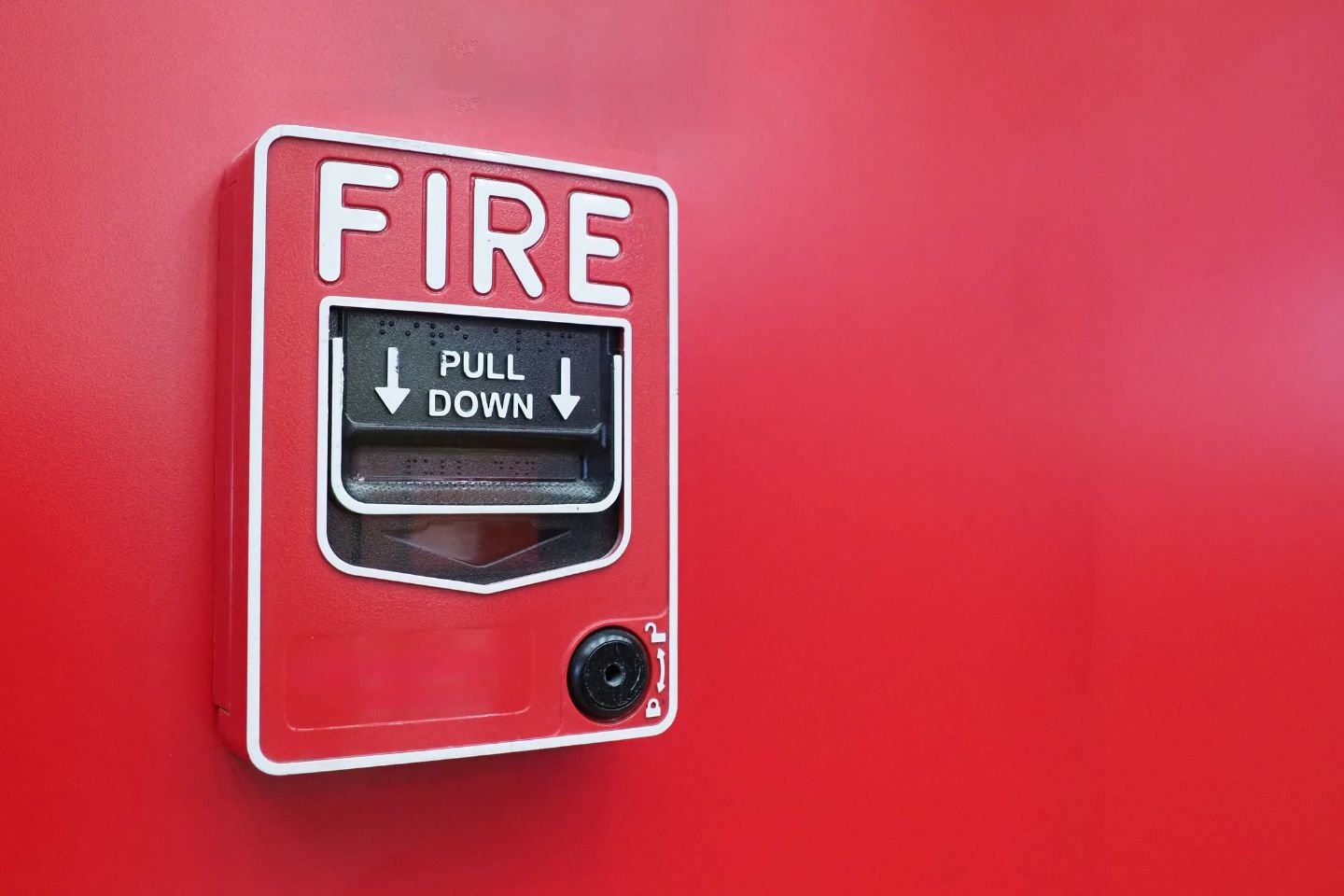
In every safety plan, timing is everything. The faster a fire is detected, the greater the chances of preventing damage and saving lives. This is why a well-designed fire detection system is considered the first and most crucial line of defense in any residential, commercial, or industrial setup. While suppression and hydrant systems are vital for controlling fire once it starts, the true hero often lies in the system that identifies danger before it spreads — the detector. A reliable fire detection system doesn’t just trigger alarms; it acts as the eyes and ears of a complete safety network, alerting people and emergency teams in time to act effectively.
Over the years, the fire detection system has evolved from simple smoke alarms to advanced, multi-sensor technologies capable of identifying heat, smoke, flames, and even toxic gases. Modern systems are designed to adapt to different environments — from small apartments to expansive factories. For instance, in a residential building, optical smoke detectors are ideal for detecting early signs of fire from household materials like paper or fabric, while in heavy-duty manufacturing units, heat detectors are more effective because dust or fumes may trigger false smoke alarms. This adaptability ensures that every environment gets the most accurate form of protection.
What truly makes a fire detection system invaluable is its ability to integrate with other fire safety solutions. In offices and industrial complexes, detection devices are connected to centralized control panels that manage sprinklers, alarms, and evacuation systems. The moment a detector senses abnormal smoke or heat, it sends an automatic signal to activate alarms, shut down air conditioning ducts to prevent smoke spread, and in some cases, initiate suppression mechanisms like sprinklers or gas discharge. This seamless integration between detection and action is what turns an ordinary alert system into a life-saving technology.
In modern smart buildings, fire detection has taken a leap into the digital age. With the help of IoT (Internet of Things), these systems now communicate real-time data to facility managers and emergency responders. Imagine receiving an instant notification on your phone the moment a sensor detects an anomaly, even before the alarm sounds. This is the future of fire safety solutions — proactive, intelligent, and data-driven. Many commercial towers and industrial parks in India have started adopting such intelligent detection systems because they offer unmatched speed and accuracy in emergencies. They also provide post-event analytics, helping teams identify the root cause and improve prevention strategies for the future.
However, the effectiveness of a fire detection system depends heavily on its installation and maintenance. A poorly installed detector can either fail to trigger during an emergency or cause unnecessary false alarms, both of which can be dangerous and disruptive. Placement is everything — smoke detectors should be installed in corridors, offices, and near electrical equipment, while heat detectors are best suited for kitchens, basements, and boiler rooms. Maintenance is equally critical. Sensors can accumulate dust or moisture over time, reducing sensitivity. Regular cleaning, calibration, and periodic testing ensure that the system remains accurate and dependable. In many cases, routine checks are legally mandated for commercial spaces, ensuring that fire safety equipment is always operational.
One common misconception is that fire detection is only necessary for large properties or industrial settings. In reality, even small homes and offices benefit tremendously from having an efficient fire detection system. A simple smoke detector in a bedroom, living room, or kitchen can give families the critical few seconds needed to evacuate safely. In commercial buildings, the system acts as a guardian around the clock, identifying potential risks long before human senses can react. Those extra seconds often make the difference between a minor incident and an irreversible tragedy.
The integration of fire detection systems with public address systems, emergency lighting, and automatic doors has also enhanced the overall safety framework. In case of an emergency, these systems work together — alarms guide occupants, emergency lights indicate exits, and ventilation systems adjust airflow to keep escape routes clear. This ecosystem approach ensures not only detection but also safe and structured evacuation. The result is a complete fire safety solution that prioritizes prevention, quick response, and safety of every occupant.
Another growing trend in India’s urban infrastructure is the use of wireless fire detection technology. Wireless detectors are particularly useful in heritage structures, temporary sites, or retrofitted buildings where traditional wiring is impractical. They provide flexibility, ease of installation, and efficient connectivity while maintaining the same level of reliability as wired systems. Their popularity underscores the shift toward smarter, cleaner, and more adaptive fire safety solutions that align with modern architectural needs.
Ultimately, the success of a fire detection system lies in its ability to provide peace of mind. Whether in homes, offices, or factories, it ensures that people are never caught off guard. Fire doesn’t give warnings — but detection systems do. They bridge the critical gap between danger and action, giving everyone a fighting chance to escape unharmed and control the situation before it escalates.
In conclusion, investing in a high-quality fire detection system is not just about compliance or technology — it’s about responsibility. It’s about caring for the lives that occupy your space every day. When combined with other fire safety solutions, such as sprinklers and extinguishers, it forms a powerful safety net that ensures protection at every level. A reliable detection system doesn’t just react to danger — it anticipates it, ensuring that your safety is never left to chance.