
How to Choose the Right Fire Hydrant System for Your Facility
August 8, 2025
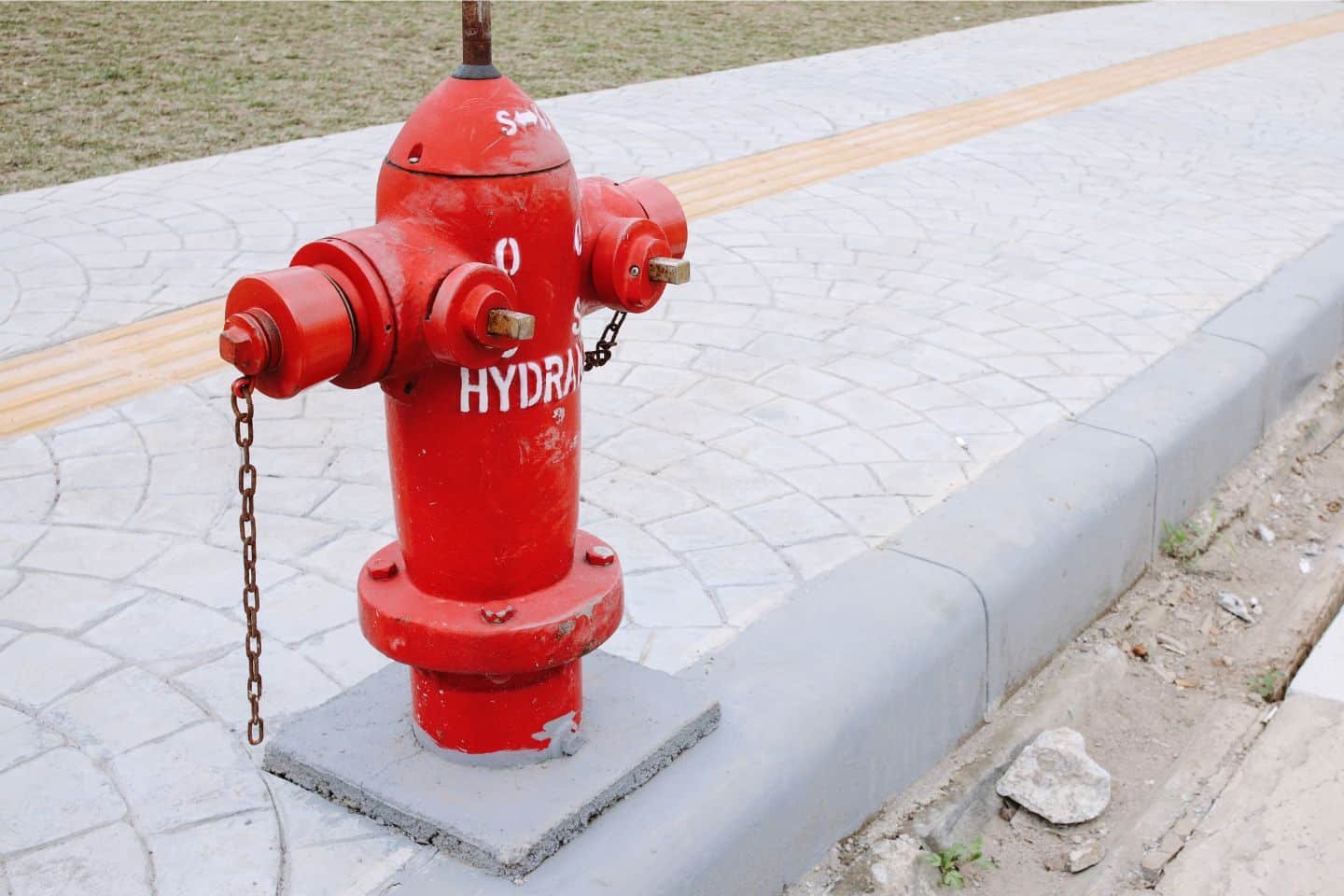
In any commercial or industrial property, a fire hydrant system is a cornerstone of effective firefighting capability. It provides firefighters and trained personnel with a reliable water source to tackle large-scale fires. However, not all hydrant systems are created equal. Selecting the right fire hydrant system installation for your facility requires careful consideration of building size, risk profile, regulatory requirements, and operational needs.
Understanding Fire Hydrant Systems
A fire hydrant system is a network of pipes, valves, hydrants, and pumps that delivers water at high pressure for firefighting purposes. The right fire hydrant system installation ensures rapid water delivery to critical points, supporting both manual and automated firefighting efforts. These systems are particularly crucial in settings where sprinkler systems alone may not be sufficient, such as in large warehouses, manufacturing plants, and multi-story complexes.
Key Factors in Choosing a System
- Building Size and Layout – Larger or more complex buildings may require multiple hydrant points, extended piping networks, or additional pump capacity. A thorough site assessment determines the most effective hydrant placement for optimal coverage.
- Water Supply Availability – Your fire hydrant system installation will need access to a reliable water source—whether it’s a municipal supply, a dedicated water tank, or a combination of both. The supply must meet pressure and flow requirements to support sustained firefighting operations.
- Fire Risk Profile – Different facilities face different hazards. An industrial plant with flammable materials will require a more robust system than a low-risk office environment. Understanding your fire risk is essential in selecting the right components and system type.
- Local Regulations and Standards – Compliance with national and local fire codes is non-negotiable. Your fire hydrant system installation should meet or exceed standards set by regulatory bodies such as the NFPA or local fire authorities.
- Integration with Other Fire Protection Systems – The hydrant system should complement, not compete with, other fire safety measures like sprinklers or suppression systems. Proper integration ensures maximum effectiveness during an emergency.
Types of Fire Hydrant Systems
- Wet Riser Systems – Pipes are constantly charged with water and ready for immediate use. Suitable for buildings with a consistent water supply.
- Dry Riser Systems – Pipes remain empty until connected to a pressurized water source, ideal for buildings where freezing is a concern.
- Combination Systems – Can operate as either wet or dry, depending on seasonal or operational requirements.
Importance of Professional Installation
A fire hydrant system installation should only be carried out by qualified professionals. Proper sizing of pumps, accurate placement of hydrants, and compliance with design standards are crucial to ensuring the system functions as intended.
Ongoing Maintenance and Testing
Even the best-designed system can fail without regular inspections and testing. Professional servicing ensures that valves, pumps, and hydrant points remain in optimal condition and that the system will perform when needed most.
The Cost of Choosing Incorrectly
An inadequate or poorly designed system can lead to devastating losses, both in terms of property damage and human safety. Investing in the correct fire hydrant system installation is not just about meeting legal obligations—it’s about ensuring maximum protection for people, assets, and operations.
Conclusion
Choosing the right fire hydrant system installation is a decision that impacts your facility’s safety for decades. By considering building design, fire risk, water supply, and compliance requirements, you can ensure that your property is equipped with a system that delivers when it matters most. Partnering with experienced professionals ensures that your investment translates into reliable, long-term fire protection.